
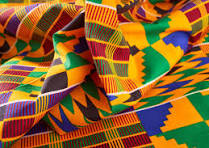
Best Kente Cloth in Ghana: What to Look For and Where to Find It
Discover what makes kente cloth truly special, how to identify high-quality weaving, and where to find the best kente cloth in Ghana for any occasion.
Few fabrics in the world carry the cultural weight and visual brilliance of kente. Woven strip by strip on a narrow loom, this cloth has dressed kings, celebrated graduations, and marked life's biggest moments for centuries. If you are searching for the best kente cloth in Ghana, knowing what separates a masterpiece from a mediocre piece will save you money and ensure you get something truly worth owning.
What Makes Kente Cloth Authentic
Genuine kente is hand-woven on a traditional strip loom, producing long narrow bands — usually about 10 cm wide — that are later sewn together into a full cloth. The weave is tight, the edges are clean, and the colours remain vivid wash after wash because quality kente uses colourfast threads.
Machine-made imitations exist and are sold cheaply in markets and online. These can look convincing at first glance, but they lack the slight texture variations that come from human hands and they often fade quickly. When shopping for kente cloth in Ghana, always run your fingers across the surface. Authentic hand-woven kente has a firm, structured feel.
The Heartland of Kente Weaving
Bonwire, a small town in the Ashanti Region near Kumasi, is widely regarded as the spiritual home of kente weaving. Families here have passed down weaving techniques for generations, and visiting the town lets you watch weavers at work and buy directly from the source. Prices are often more reasonable here than in Accra tourist markets, and the selection is broader.
Adanwomase and Ntonso, also in the Ashanti Region, are worth visiting too. The Volta Region — particularly the Ewe people around Kpetoe — produces its own distinct style of kente with different colour combinations and pattern structures. Ewe kente often uses more pictorial motifs, while Ashanti kente leans toward geometric patterns with symbolic meaning.
Understanding Kente Patterns and Their Meaning
Every pattern in kente cloth carries a name and a meaning. The Oyokoman pattern, for example, is associated with royalty and bravery. Sika Futuro (gold dust) represents wealth and elegance. Choosing a cloth whose meaning aligns with your occasion adds depth to wearing it.
Ask the weaver or seller to explain the patterns. A knowledgeable vendor who can walk you through the symbolism is usually a sign you are dealing with someone who understands and respects the craft.
How to Assess Quality Before You Buy
Here are a few practical checks when evaluating kente cloth in Ghana:
- Inspect the strips: The sewn seams between strips should be neat and consistent. Uneven or puckered seams reduce the cloth's lifespan and appearance.
- Check the thread count: Hold the cloth up to light. A dense, even weave means quality materials and careful craftsmanship.
- Look at the colour transitions: In premium kente, colour changes within a pattern are crisp, not blurry.
- Ask about the thread: Silk or mercerised cotton threads produce a natural sheen. Some weavers now blend synthetic threads, which is not necessarily bad but should be reflected in the price.
What You Should Expect to Pay
Prices vary widely depending on size, material, and the reputation of the weaver. A full cloth (typically 24 strips sewn together) in quality cotton kente can range from a few hundred Ghana cedis to significantly more for silk versions or those made by master weavers. Be cautious of prices that seem too low — they usually signal machine production or poor materials.
Finding the Best Kente Cloth in Ghana
Beyond Bonwire, you can find reputable kente sellers at the Kumasi Central Market, the National Cultural Centre in Kumasi, and the Arts Centre in Accra. Some established weavers also take custom orders, allowing you to choose specific colours and patterns for weddings, funerals, or corporate events.
If you cannot travel to the weaving towns, look for vendors who can provide photos or videos of the actual cloth and ideally show the weaving process. Transparency is a good sign.
Kente cloth is more than fabric — it is a living tradition. Taking the time to find a piece woven with care means you are not just buying cloth; you are carrying a piece of Ghanaian heritage. Start your search with curiosity, ask questions freely, and do not rush the process. The right piece is worth the effort.
Continue with Steve Online Store
Explore products connected to this guide.
Return to the storefront to browse products, check prices, and place an order when you are ready.